Roofing Systems Built for Decades
Roofing in Buchanan for properties needing weather protection that outlasts short-term patch solutions
Roof failures show up as ceiling stains after heavy rain, ice dams during winter freezes, and missing shingles after windstorms—all signs that the existing system no longer protects the structure beneath. Kalmer's Consulting installs and replaces shingle, composite, and other roofing systems for residential and commercial properties throughout Southwest Michigan, delivering weather protection and durability that extend decades beyond temporary repairs. Projects address aging roofs approaching failure, storm damage requiring full replacement, and properties where curbed appeal suffers from deteriorated or mismatched roofing materials.
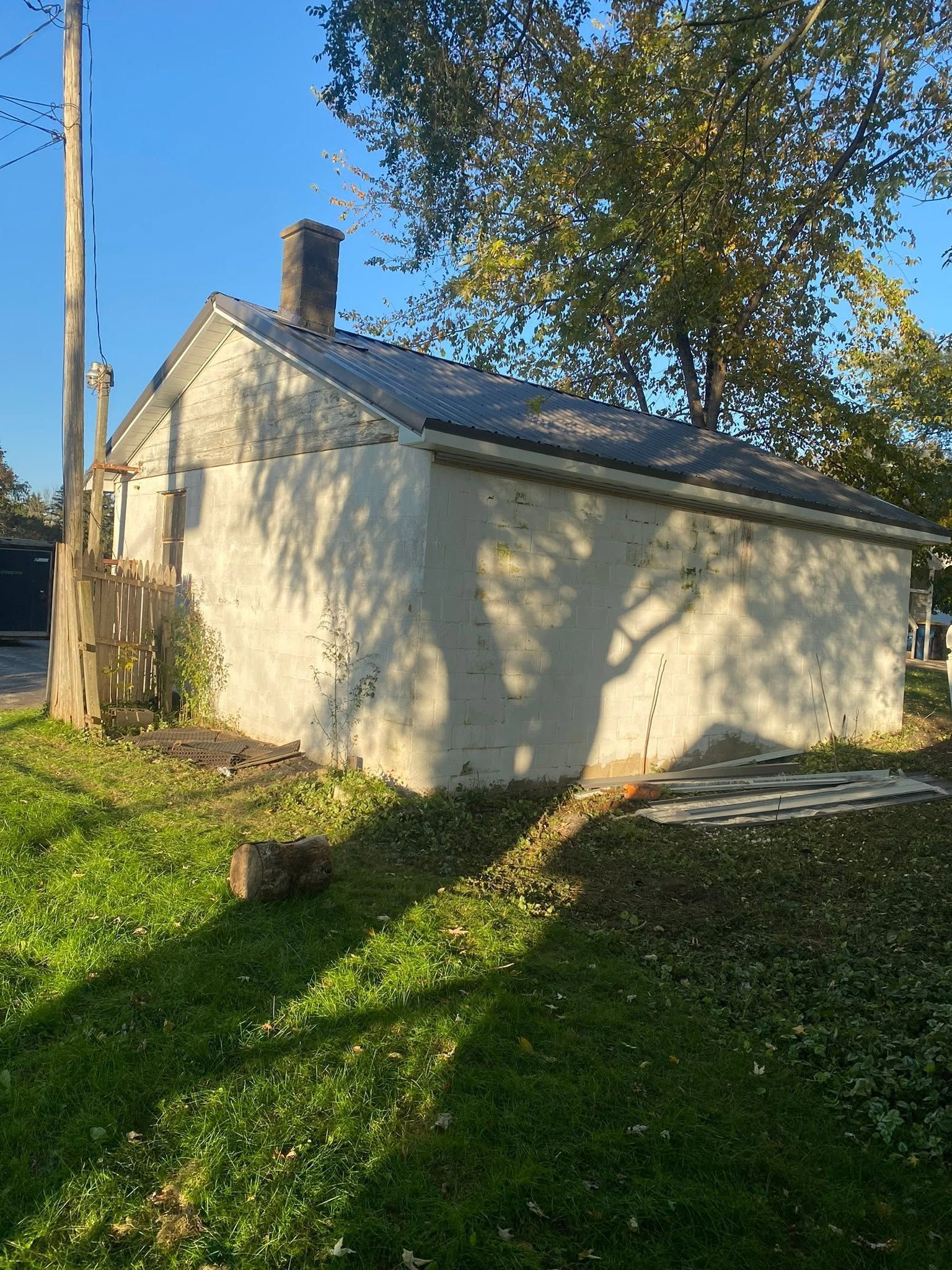
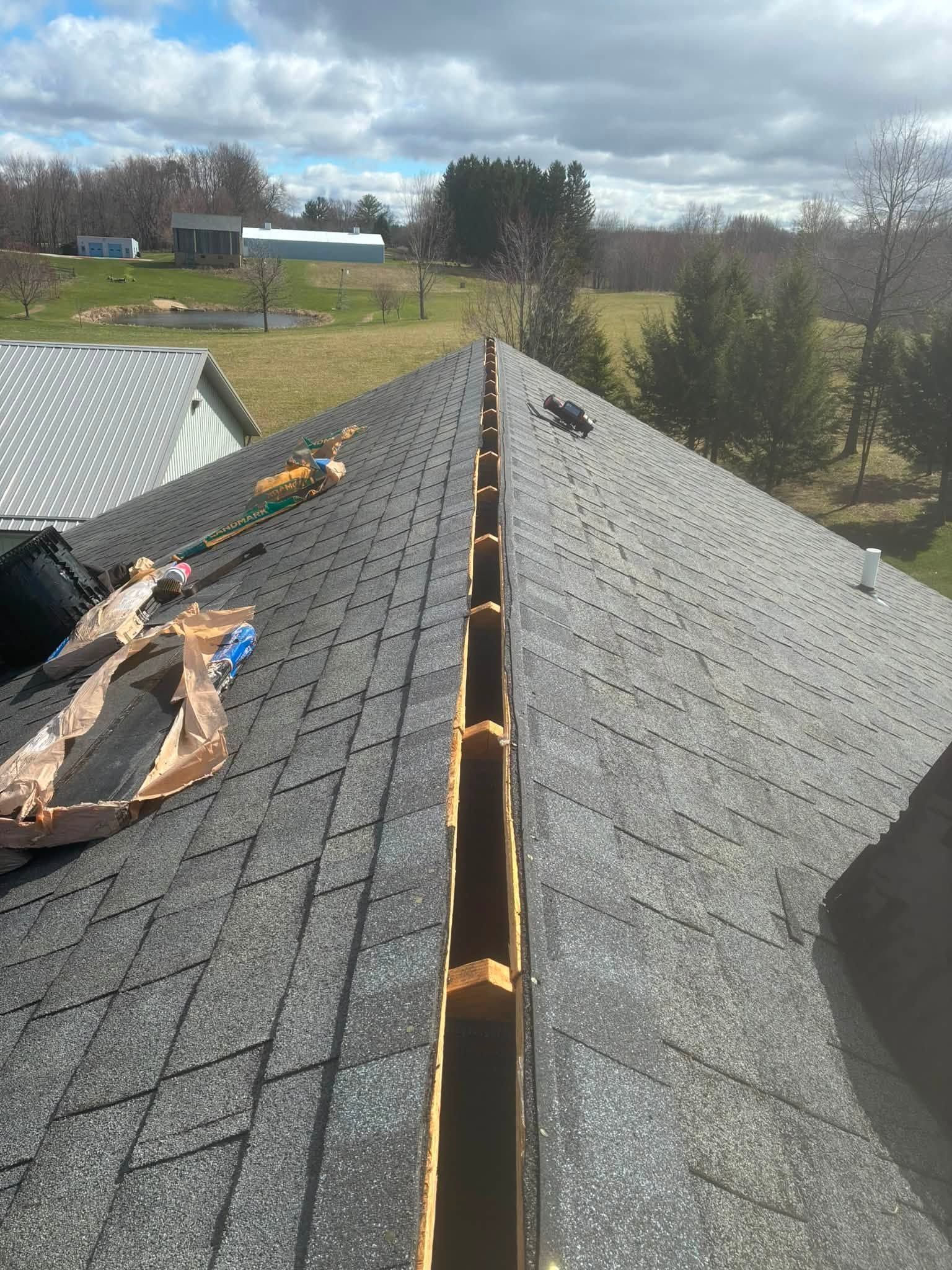
Installation begins with removing old materials down to roof decking, inspecting sheathing for rot or structural damage, and replacing compromised sections before new roofing goes on. Underlayment creates a secondary water barrier, while shingle or composite materials are installed following manufacturer specifications for overlap, fastener placement, and ventilation integration. Flashing around chimneys, vents, and roof penetrations is custom-fit and sealed to prevent water intrusion at vulnerable transition points. System recommendations are based on roof pitch, exposure to prevailing winds, and whether the property experiences heavy snow loads during Buchanan winters.
Schedule a free on-site inspection to evaluate current roof condition and discuss material options suited to your property's requirements.
What Changes After Roofing Is Finished
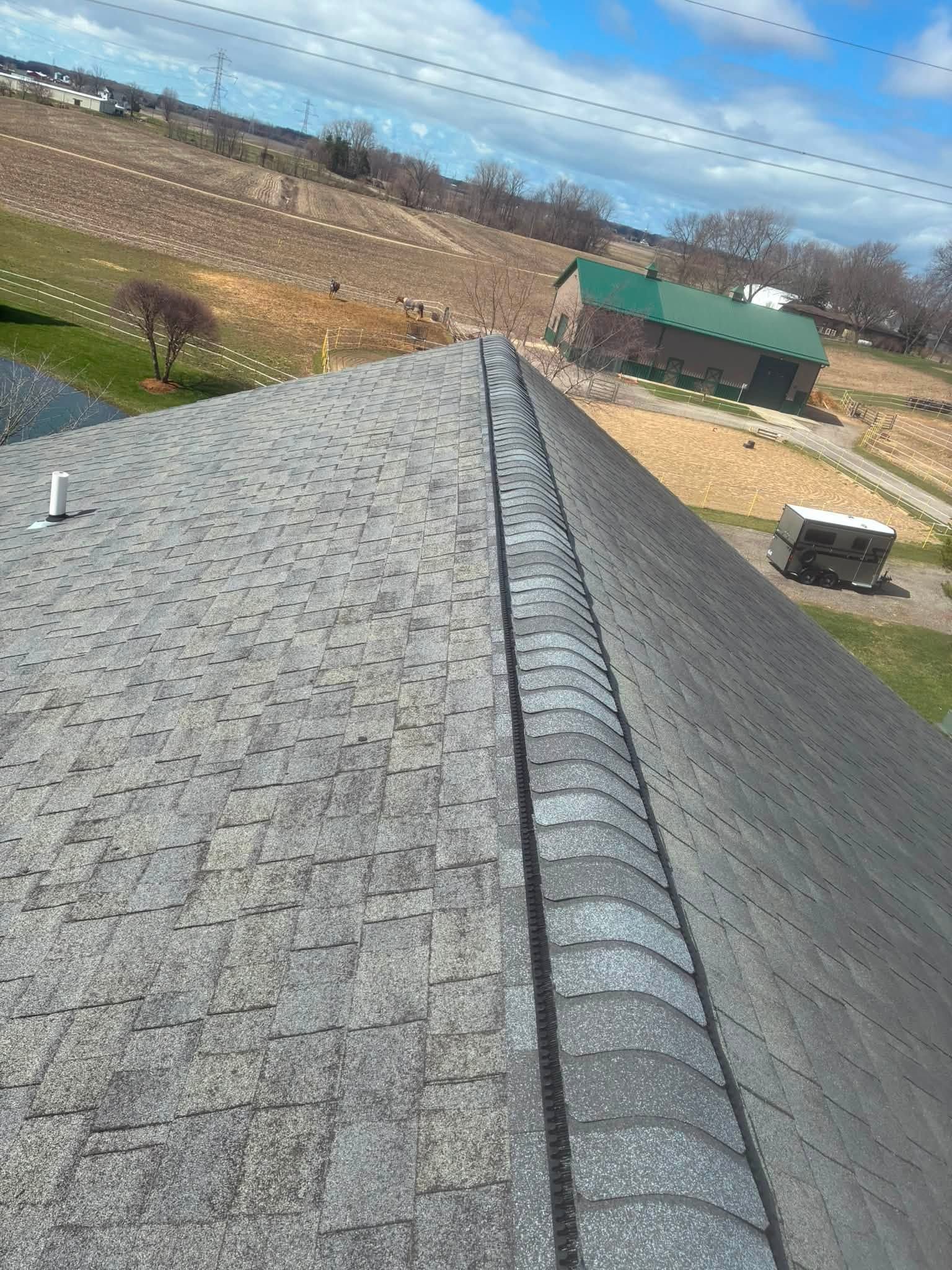
Proper roofing installation requires fastening shingles at precise intervals to resist wind uplift, sealing all penetrations with compatible flashing materials, and ensuring adequate attic ventilation to prevent heat buildup that shortens shingle lifespan. Composite materials offer longer warranties than standard asphalt shingles and resist algae growth that causes black streaking in humid climates. Quality workmanship shows in straight shingle lines, uniform appearance across roof planes, and clean valleys where water channels off without pooling.
After replacement, interior ceilings remain dry during heavy rainstorms, attic temperatures stabilize because ventilation functions correctly, and the roof sheds snow and ice without forming dams that back water under shingles. Curb appeal improves immediately—uniform color and clean lines make properties look maintained rather than neglected. Energy costs may decrease slightly as proper ventilation reduces attic heat that radiates into living spaces during summer months.
Full replacements include material removal, disposal, decking inspection and repair, underlayment installation, and final shingle or composite application. Repairs address localized damage without replacing entire roof sections, though extensive deterioration often makes full replacement more cost-effective than repeated patching. Free consultations cover material options, project timelines, and whether repair or replacement better serves the property's long-term needs.
What Property Owners Usually Ask
Roofing decisions depend on existing conditions, budget constraints, and how long the owner plans to maintain the property.
What indicates a roof needs replacement versus repair?
Multiple leaks in different areas, widespread shingle curling or granule loss, and roofs approaching 20 years of age typically require full replacement, while isolated storm damage or localized wear can be repaired if surrounding materials remain sound.
How do composite roofing systems differ from asphalt shingles?
Composite materials resist algae, withstand higher wind speeds, and carry longer warranties—often 30 to 50 years compared to 15 to 25 for standard shingles—making them suitable for properties where long-term durability justifies higher upfront costs.
When should roofing projects be scheduled in Southwest Michigan?
Late spring through early fall offers the most reliable weather for installation, avoiding winter cold that prevents sealant activation and summer heat that makes shingles brittle during handling, though emergency repairs proceed year-round when necessary.
What role does attic ventilation play in roof longevity?
Proper ventilation prevents heat and moisture buildup that degrades shingles from underneath, causing premature aging and voiding manufacturer warranties, so balanced intake and exhaust vents are installed or corrected during replacement projects.
How does roof pitch affect material selection and installation?
Steeper pitches shed water faster and allow more material options, while low-slope roofs require specialized underlayment and installation techniques to prevent water infiltration, since gravity alone does not reliably move water off shallow angles.
Kalmer's Consulting provides dependable roofing services throughout Southwest Michigan with free consultations and on-site inspections. Reach out to assess your property's roof condition, explore material options based on durability and budget, and receive detailed estimates for repair or replacement projects.