Floors Installed to Last Through Daily Use
Flooring & Tile Work in Buchanan for spaces where surface durability and appearance both matter long-term
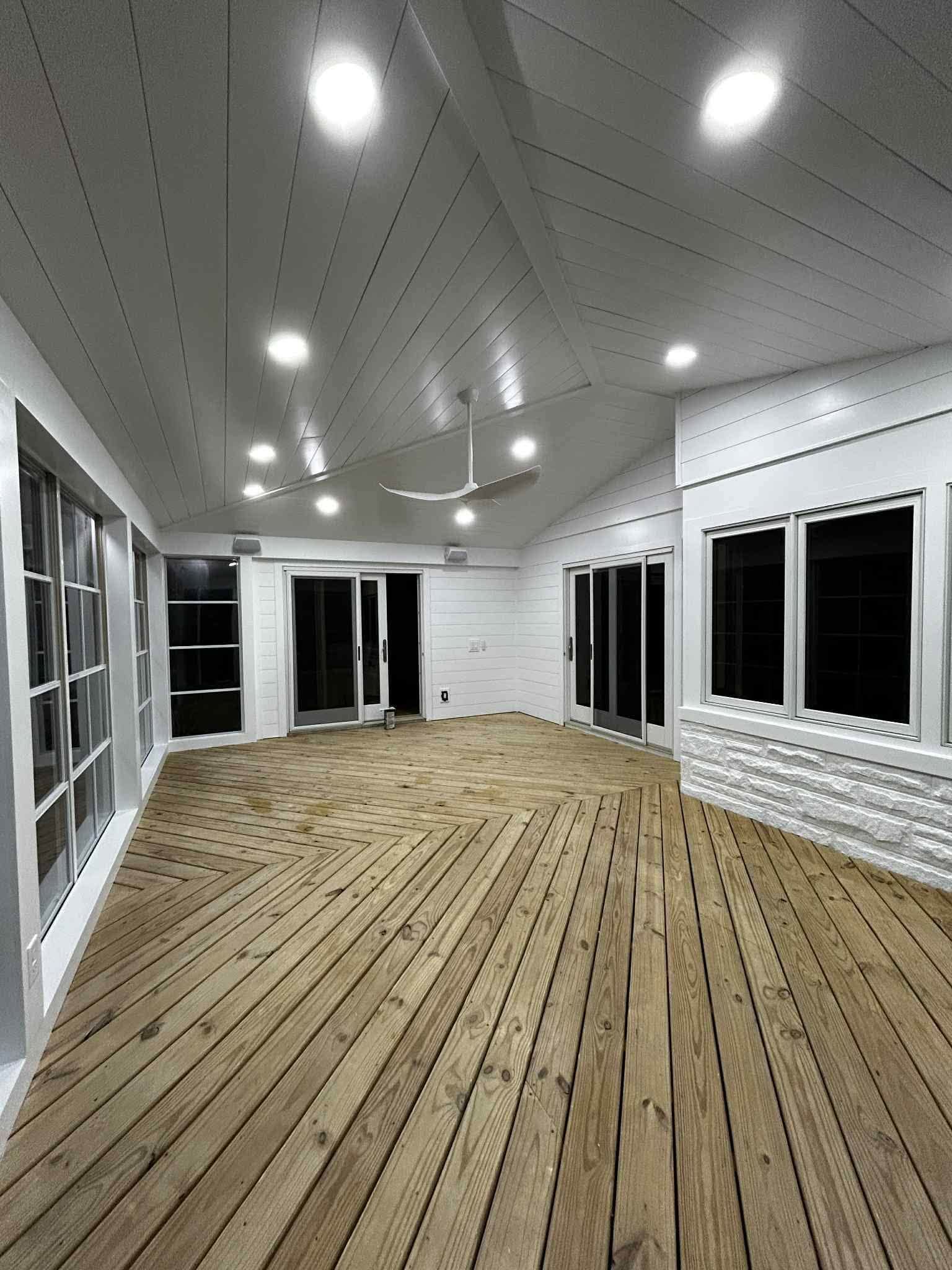
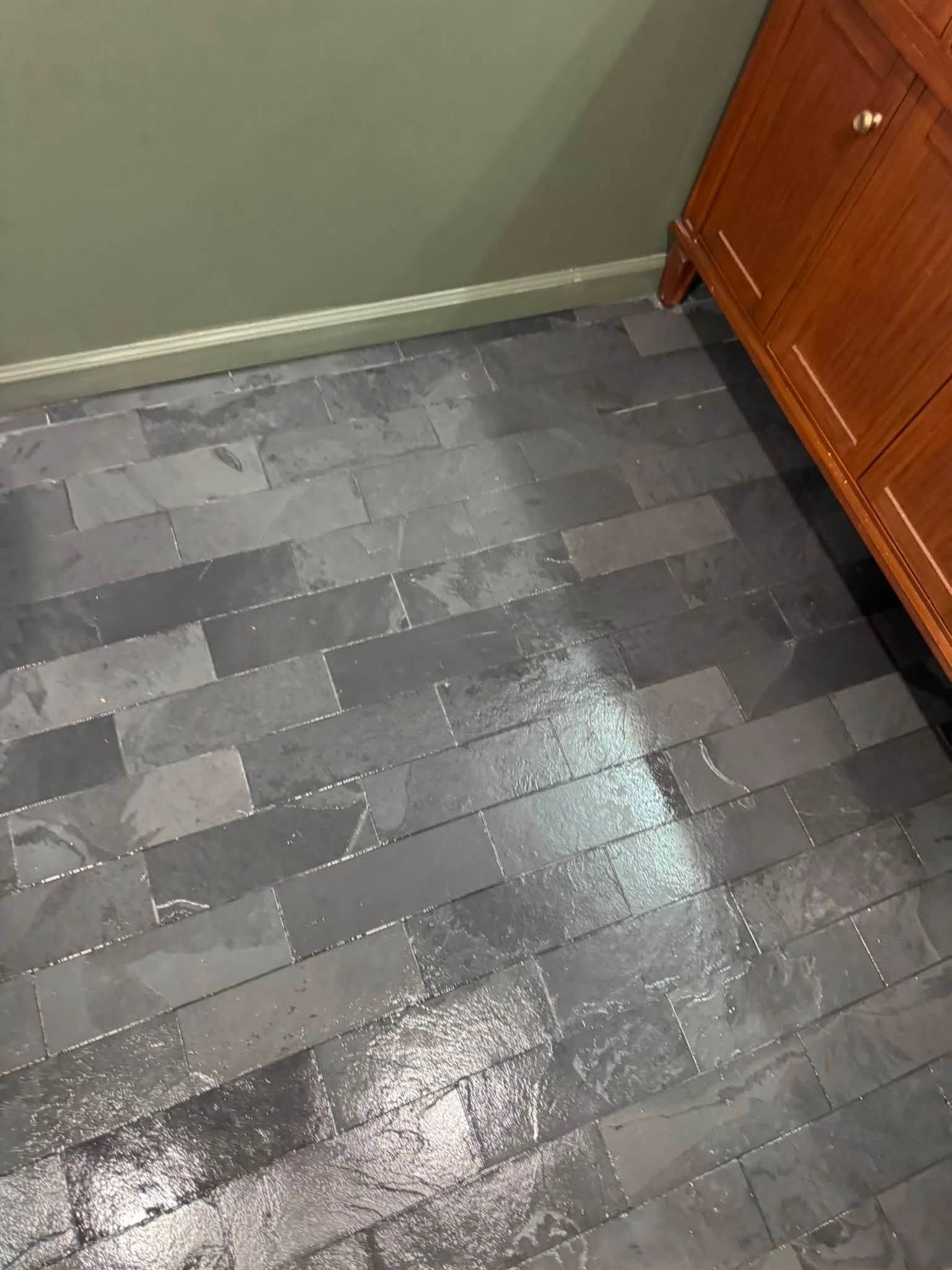
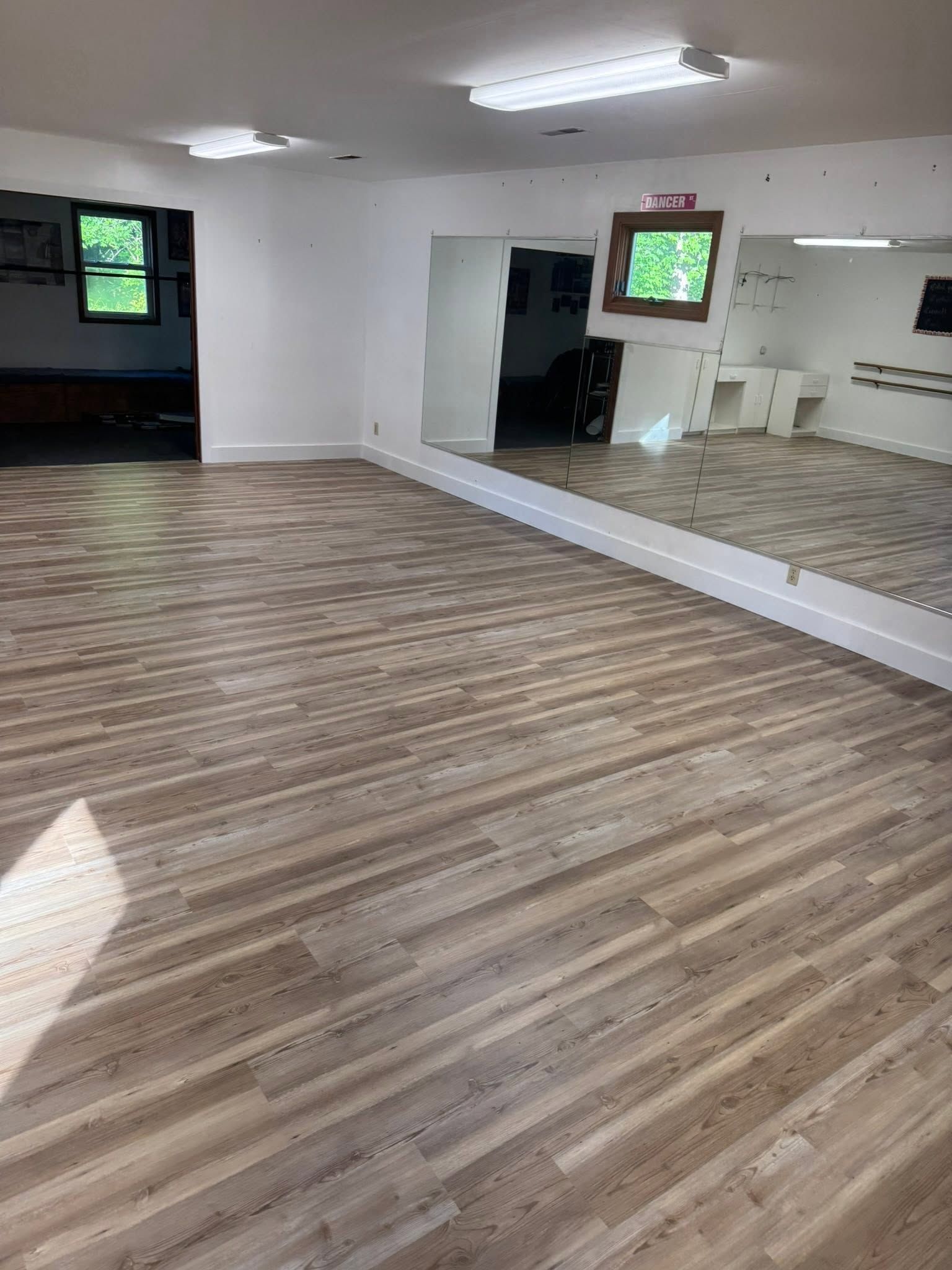
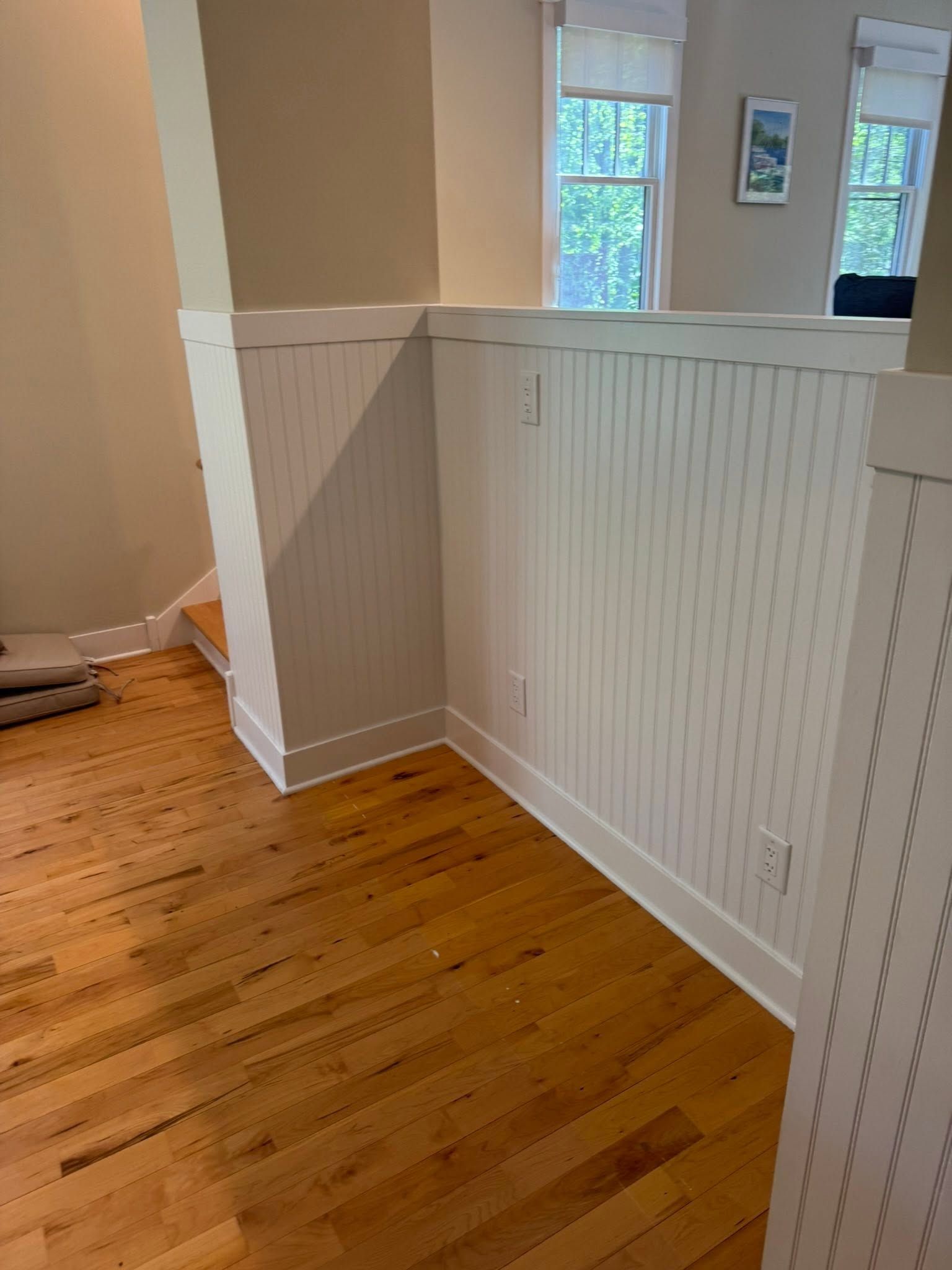
Flooring fails when installation shortcuts compromise performance—luxury vinyl that bubbles because subfloor moisture wasn't addressed, tile that cracks along grout lines due to improper underlayment, and hardwood that cups because acclimation was skipped. Kalmer's Consulting installs hardwood, luxury vinyl, laminate, tile, and other flooring materials for residential and commercial properties, ensuring precise layouts and quality finishes that hold up under years of foot traffic. Custom tile work for kitchens, bathrooms, and living spaces adds durability and visual detail where water exposure or design priorities require more than standard flooring options.
Installation begins with subfloor evaluation—moisture testing, leveling compound application where needed, and confirming structural stability before materials go down. Hardwood acclimates to interior humidity levels for several days, preventing expansion or contraction after installation. Tile layouts are dry-fit first to optimize pattern alignment and minimize small cuts at visible edges. Luxury vinyl and laminate require underlayment that cushions footsteps and prevents telegraphing of subfloor imperfections through the finished surface. Each material follows manufacturer specifications for adhesive type, expansion gaps, and fastener placement.
Request a free consultation to review material options and assess subfloor conditions before installation begins.
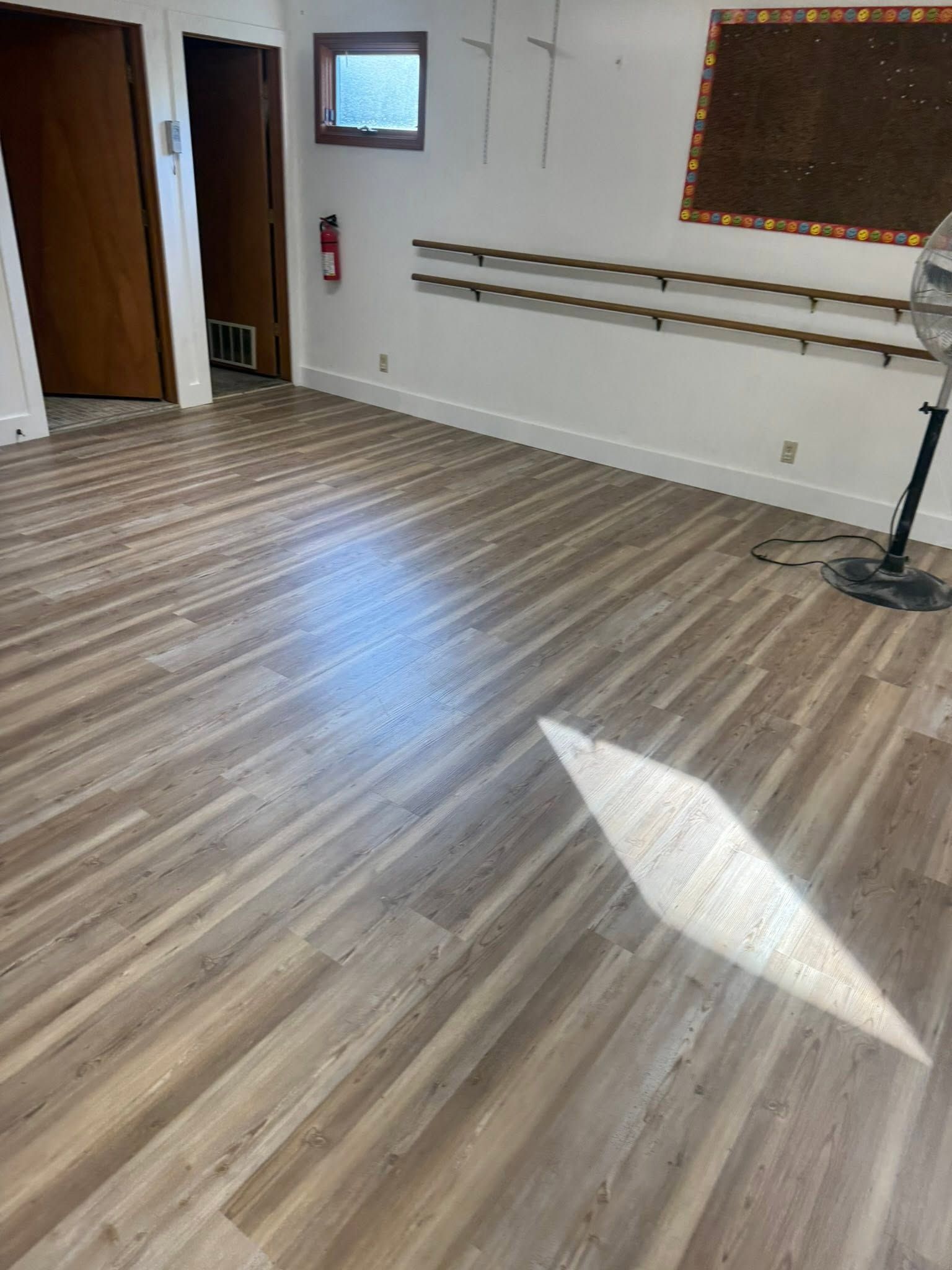
The Difference Between Quality Installation and Quick Work
Quality flooring installation requires attention to details that remain invisible after completion—subfloor prep that eliminates high spots and fills depressions, layout planning that centers patterns in rooms and avoids narrow slivers along visible walls, and precise cutting that produces tight seams and clean transitions between materials. Tile work depends on proper thinset coverage that prevents hollow spots where tiles crack under weight, and grout joints spaced consistently to maintain uniform appearance across large areas.
After installation, floors feel solid underfoot without hollow sounds or flexing that signals poor adhesion, seams between planks or tiles remain tight without lippage where edges don't align, and surfaces clean easily because finishes were applied correctly and grout was sealed properly. Rooms look cohesive when flooring patterns align with architectural features, and transitions between different flooring types—hardwood to tile, for example—appear intentional rather than awkward. Well-installed flooring maintains appearance and performance for decades with routine cleaning and minimal maintenance.
Services include material selection guidance based on traffic levels and moisture exposure, subfloor preparation, and professional installation with precise layouts. Projects range from single-room updates to whole-property flooring replacement. Free consultations help match materials to functional requirements and design preferences before work begins.
Questions Before Starting Installation
Material selection and installation methods depend on room function, existing conditions, and long-term durability expectations.
What flooring materials work best in moisture-prone areas?
Luxury vinyl and porcelain tile resist water damage better than hardwood or laminate, making them suitable for bathrooms, kitchens, and basements where humidity fluctuates or spills occur frequently, though proper installation remains critical even with water-resistant materials.
How does subfloor condition affect flooring installation?
Uneven subfloors cause tiles to crack and vinyl to show surface imperfections, so leveling compound is applied to smooth high and low spots before installation, ensuring consistent adhesive contact and preventing premature failure from flexing or point loads.
When should hardwood acclimate before installation in Buchanan?
Hardwood requires three to seven days acclimating to interior humidity levels typical of Southwest Michigan homes, allowing material to reach equilibrium moisture content so planks don't expand or contract significantly after installation and cause gaps or cupping.
What factors determine tile layout patterns?
Room dimensions, focal points like fireplaces or entryways, and tile size all influence layout—centered patterns look balanced, while offset or diagonal layouts add visual interest but require more cutting and waste during installation.
How long before new flooring can handle full use?
Luxury vinyl and laminate can be walked on immediately after installation, hardwood requires 24 hours for adhesive cure before furniture placement, and tile needs 48 to 72 hours before grout fully hardens and the floor supports heavy loads without shifting.
Kalmer's Consulting serves residential and commercial properties with professional flooring installation that improves both durability and appearance. Schedule a consultation to evaluate your space, discuss material options suited to traffic and moisture conditions, and receive detailed estimates based on project scope and finish preferences.